
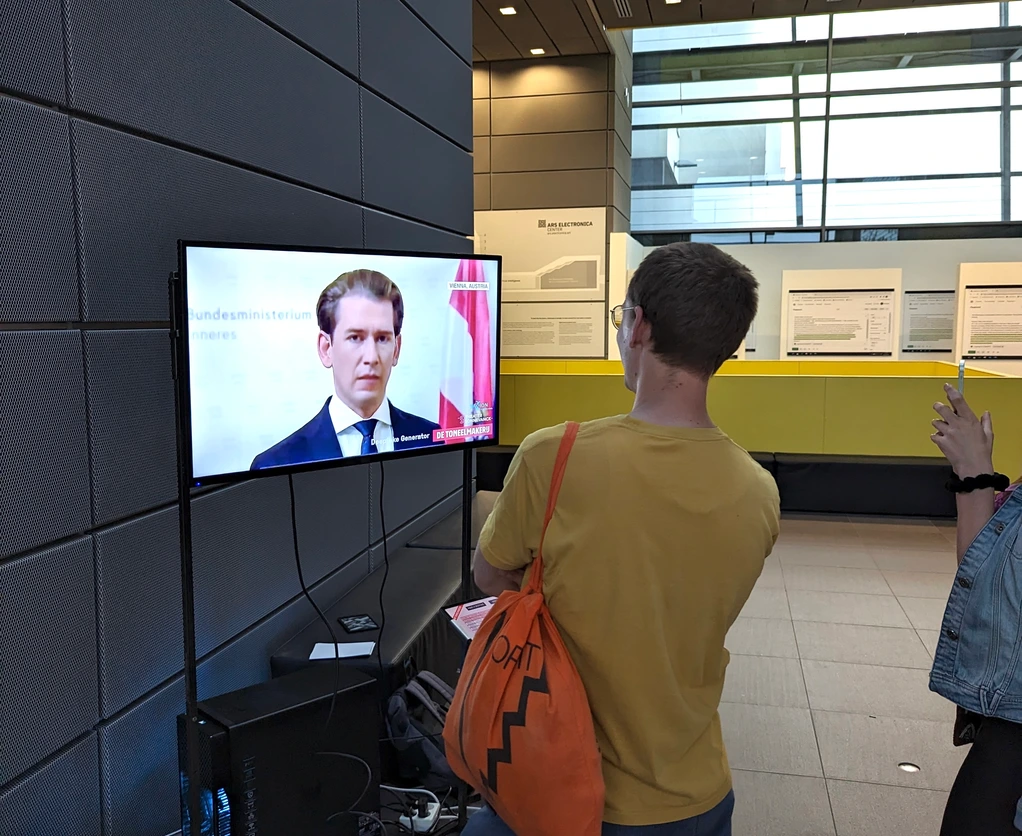
Interactive Installation
Year
2023
Services
University project
Client
De Toneelmakerij
Intro
In this unique cross media environment, the boundaries between online and offline are completely blurred. Rabbit Hole was a project outsourced to Saxion University to develop a Deepfake installation that still needed to be designed and developed.
Process
As the group leader for this project, I was responsible for overseeing the entire timeline and coordinating communication between the team and the client. Working alongside a developer and an artist, we spent four months designing and developing the installation. We started with a basic version of the Deepfake generator, which required significant work to complete the front-end, implement additional back-end features, and finalize the overall design.
To ensure the installation was both functional and engaging, I conducted extensive research on installation design and tablet-based UI/UX options. I developed several SWOT analyses comparing different design concepts and presented these to the client, who selected the approach they preferred most.
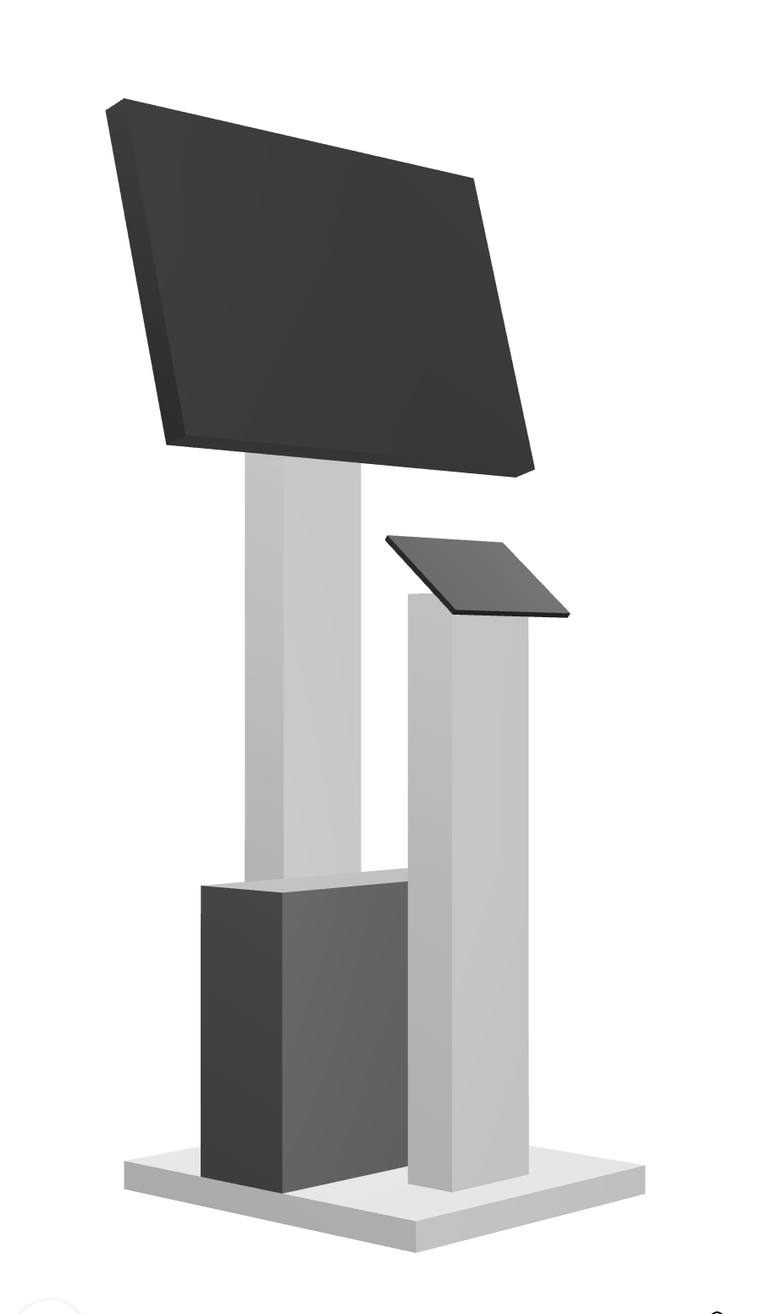
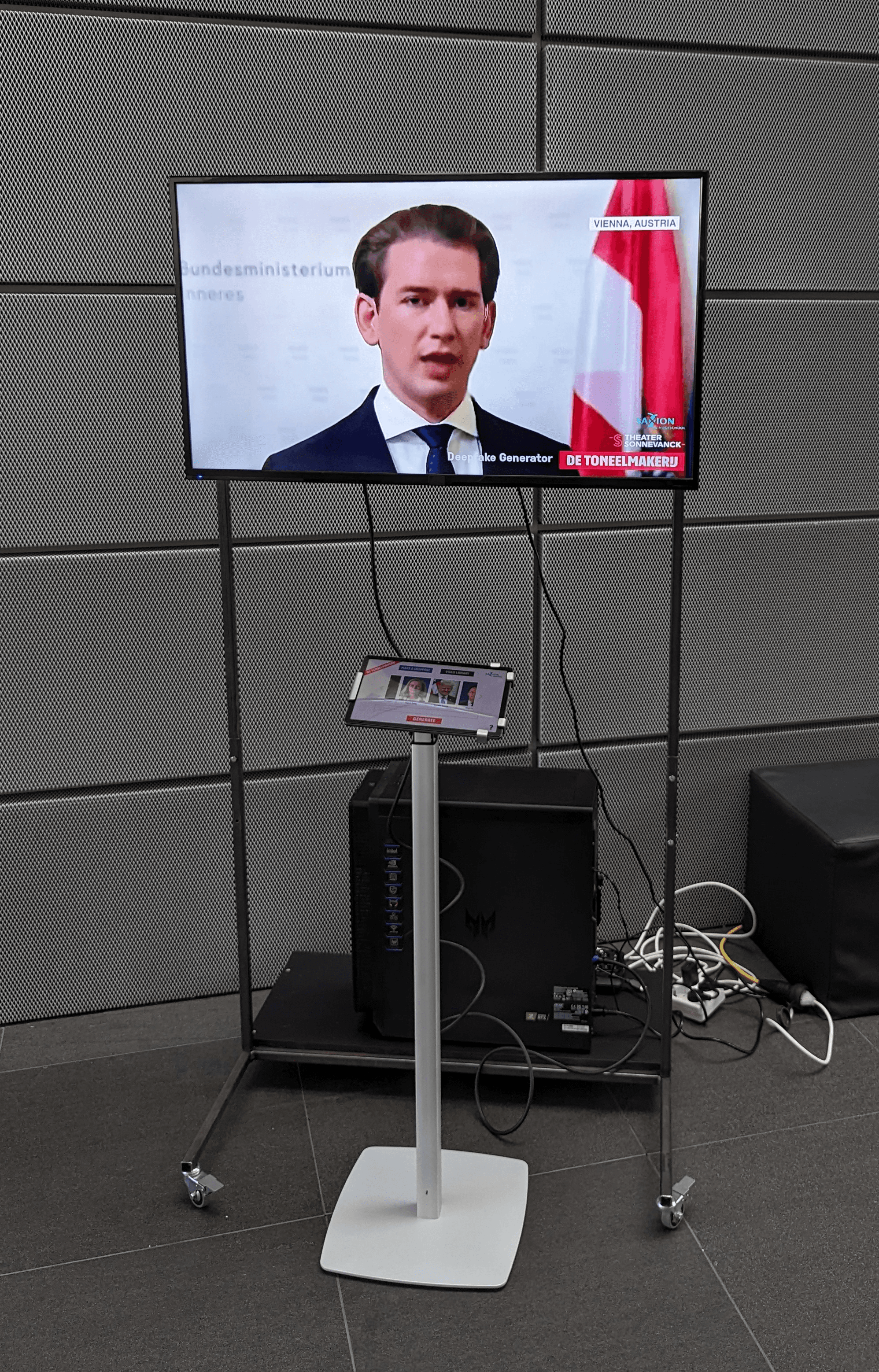
I then began front-end development, building the tablet application in Unity over a two-month period while collaborating closely with the back-end developer. Throughout this process, numerous design decisions still needed to be made, which required conducting multiple user testing sessions. I created detailed testing guidelines to ensure these sessions ran smoothly and used the insights gathered to iterate on the design and refine the software.
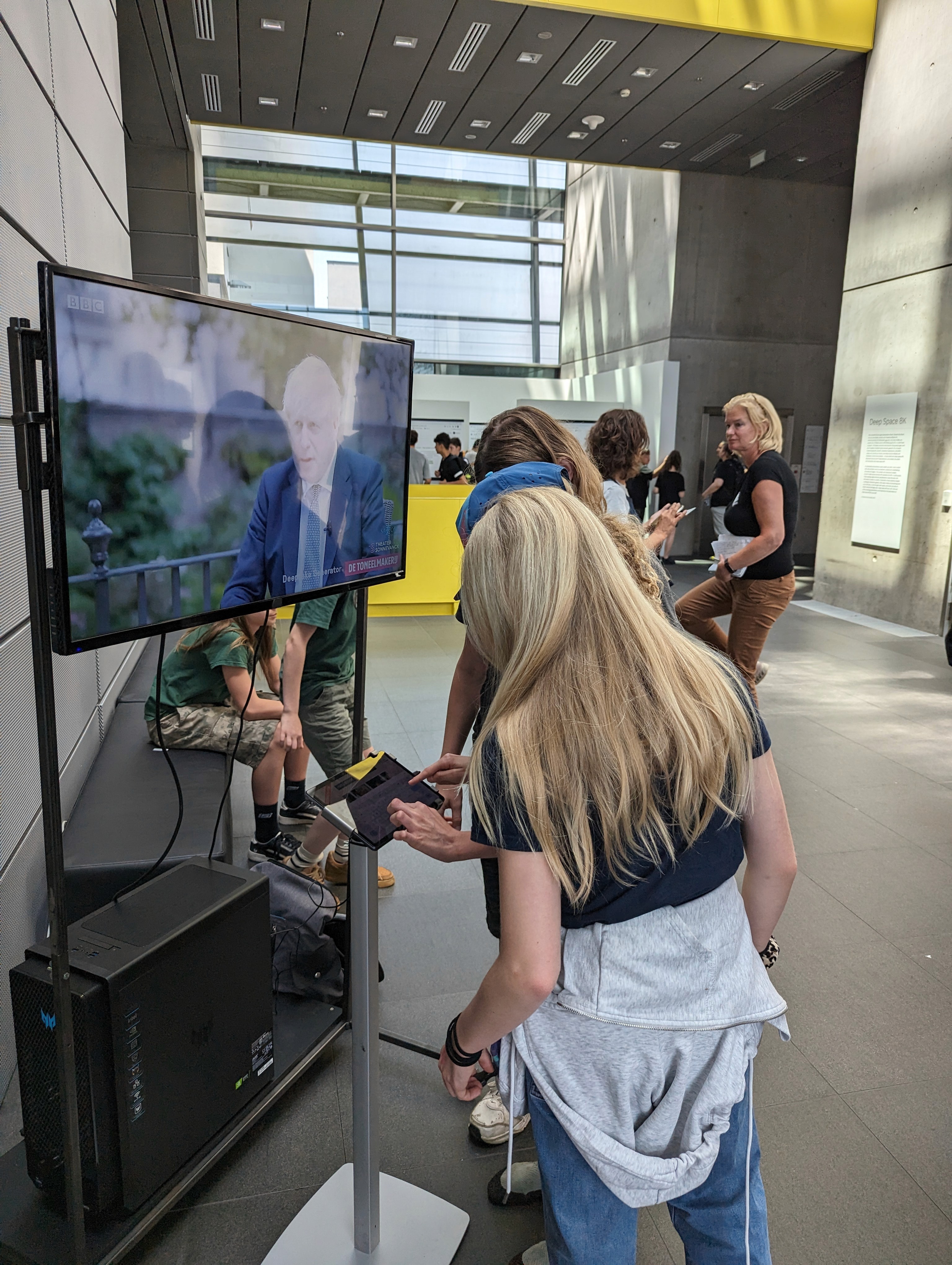
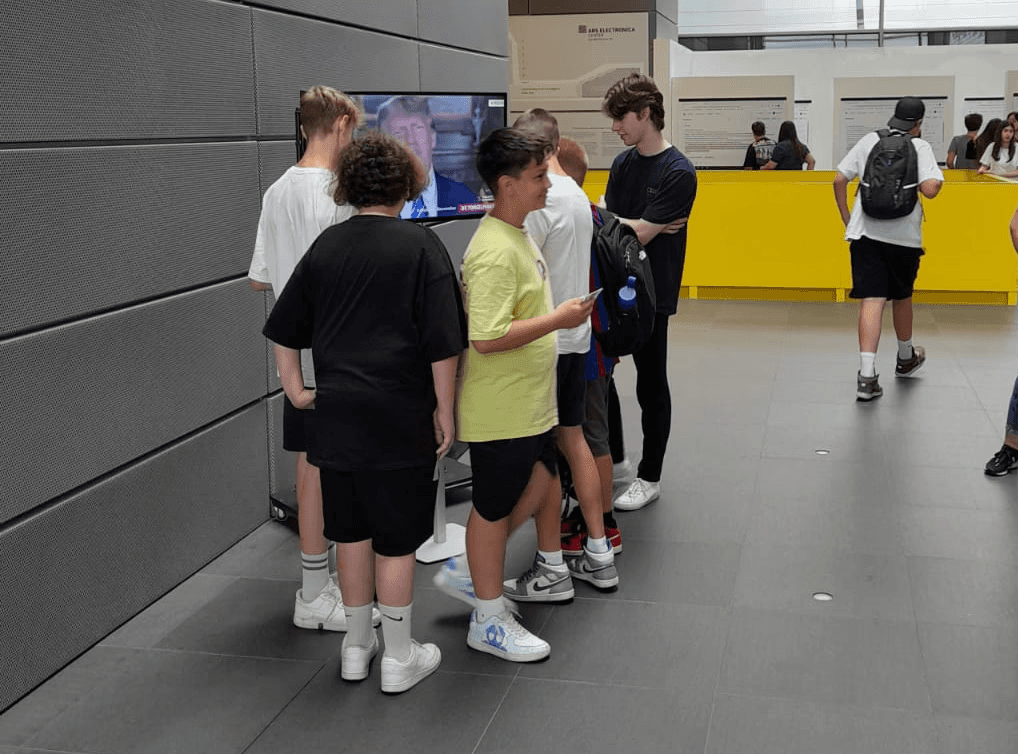
Once development was complete, the installation was presented at a museum in Austria, where it engaged hundreds of visitors and allowed me to observe real-time interaction with the project.
Result
This project was a significant learning experience, particularly as it was my second time leading a team, allowing me to refine many lessons from my previous project.
I gained valuable insights into design through extensive user testing and by observing people interact with the installation in real time. I learned the importance of clear communication, which streamlined collaboration with the developer, artist, and client.
My presenting and pitching skills improved through continuous interaction with clients, while my overall communication and teamwork abilities strengthened compared to my previous leadership experience.
Technically, my Unity and C# skills advanced considerably as I collaborated with the back-end developer using GitHub and Scrum workflows. I also became adept at rapid prototyping, creating quick iterations to present ideas to the team and client.
Additionally, my design skills grew through research and collaboration with other designers, and seeing the iterative process first hand underscored the critical role of development in refining and realizing a project successfully.