
Interactive Theatre Play
Year
2026
Services
Technical Game Designer
Client
De Toneelmakerij
Intro
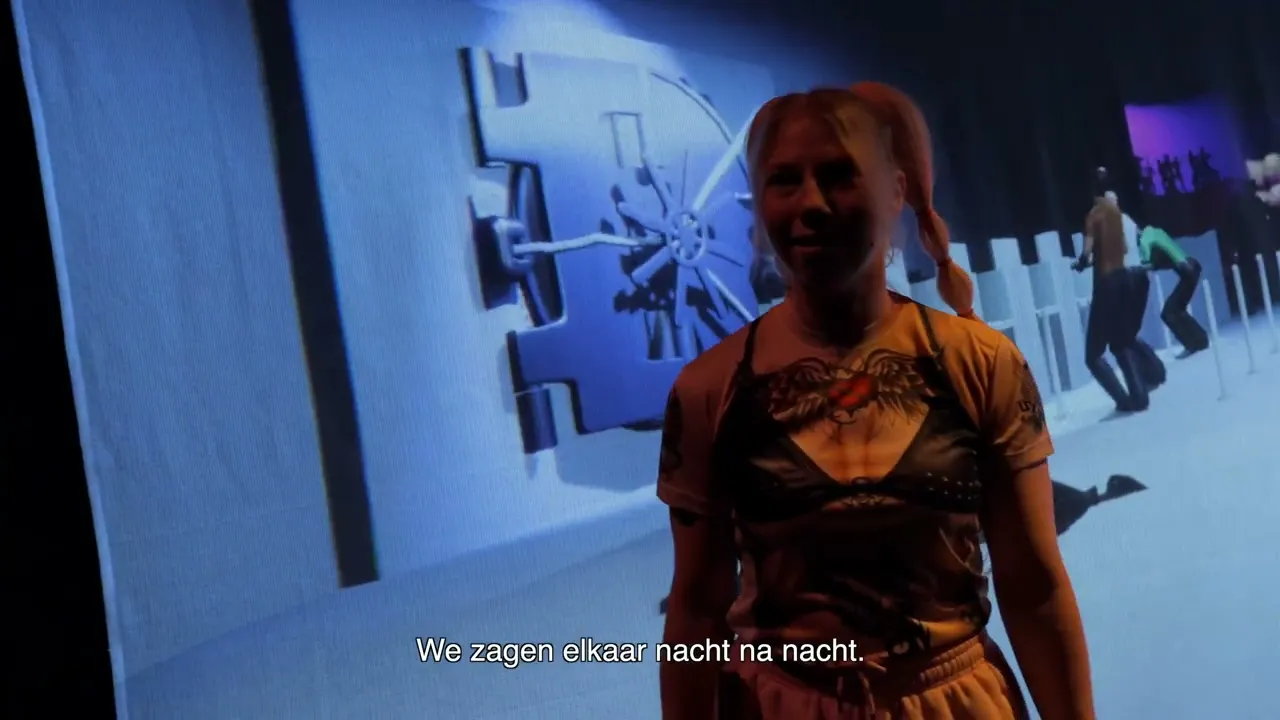
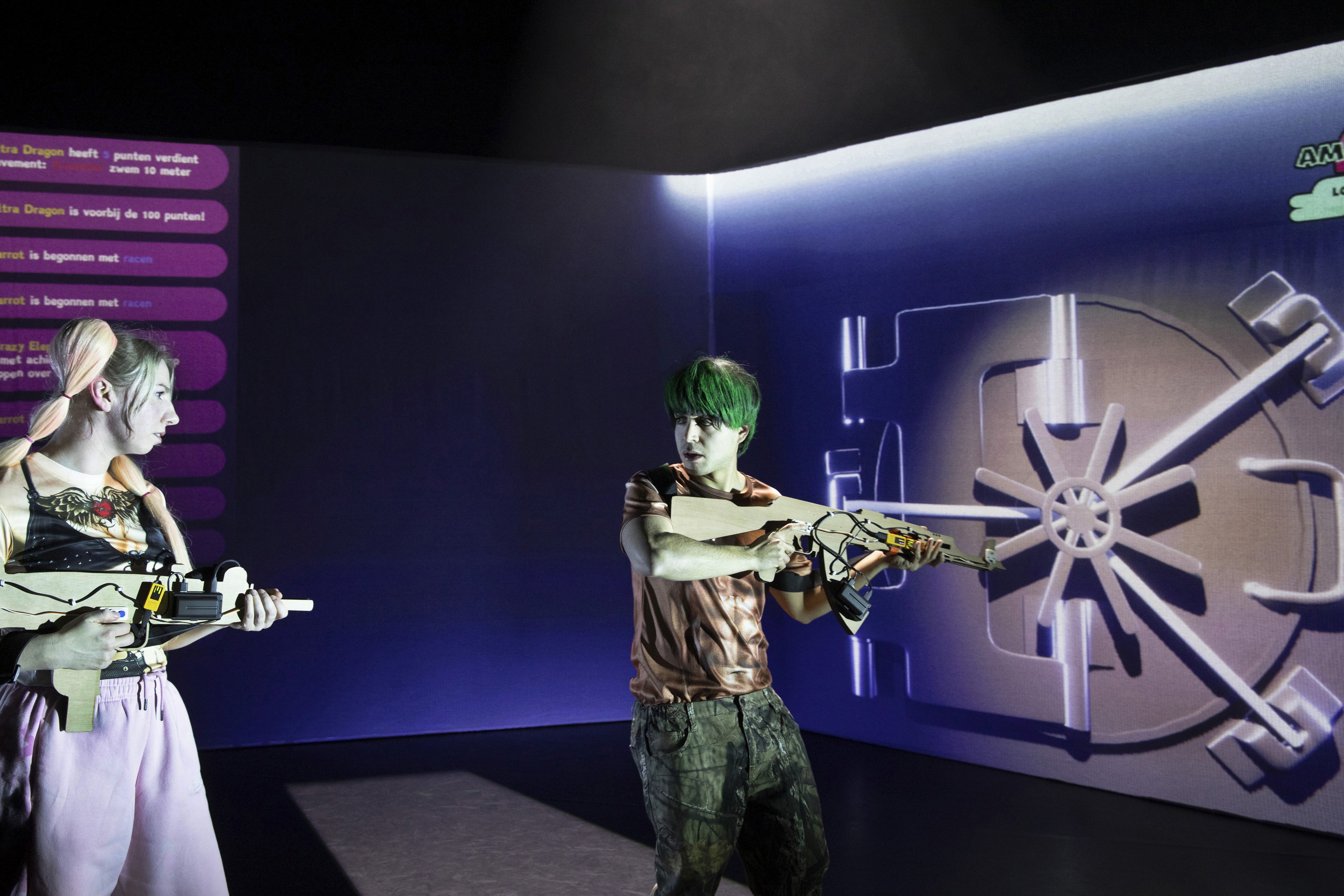
Video Games meet the stage. I designed and developed the interactive virtual environments for In Real Life, taking the project from paper prototypes to a full-scale professional premiere. By bridging Unity with theater-standard software like QLab and Isadora via OSC, I transformed the stage into a responsive, playable space where digital visuals live in sync with live actors.
Process
Balancing Flexibility with Rigidity
The production cycle for live theatre is fast-paced and high-pressure. Unlike traditional game development, where systems are polished over years, theatre requires "fast and dirty" solutions that must be 100% reliable by opening night. My role was to manage this technical debt while ensuring the creative team had the freedom they needed.
The Hybrid Timeline System
I utilized the Unity Timeline to ensure the final show was consistent and repeatable. However, to accommodate the "messy" reality of rehearsals, I had to modify its behaviour:
Iterative Control: I built a custom interface to Play, Pause, and Skip to specific moments, allowing the director to jump to any moment in the script without restarting the scene.
The "Feasibility" Filter: I acted as the technical gatekeeper, quickly prototyping features to determine if a new idea was worth the time investment. If a prototype proved stable, it was integrated directly into the final production.
Goal
Modular vs. Linear Logic
A major challenge was deciding which elements should be locked to the Timeline and which should remain independent.
Modular Freedom: I developed certain interactive elements as independent, modular systems. This gave the actors "playing room" during rehearsals to explore their movement without being punished by a rigid timer.
Consistency for the Run: As the play took its final shape, I transitioned these modular elements into a more structured format to ensure the performance was identical for every audience, every night.
Team & Scaling
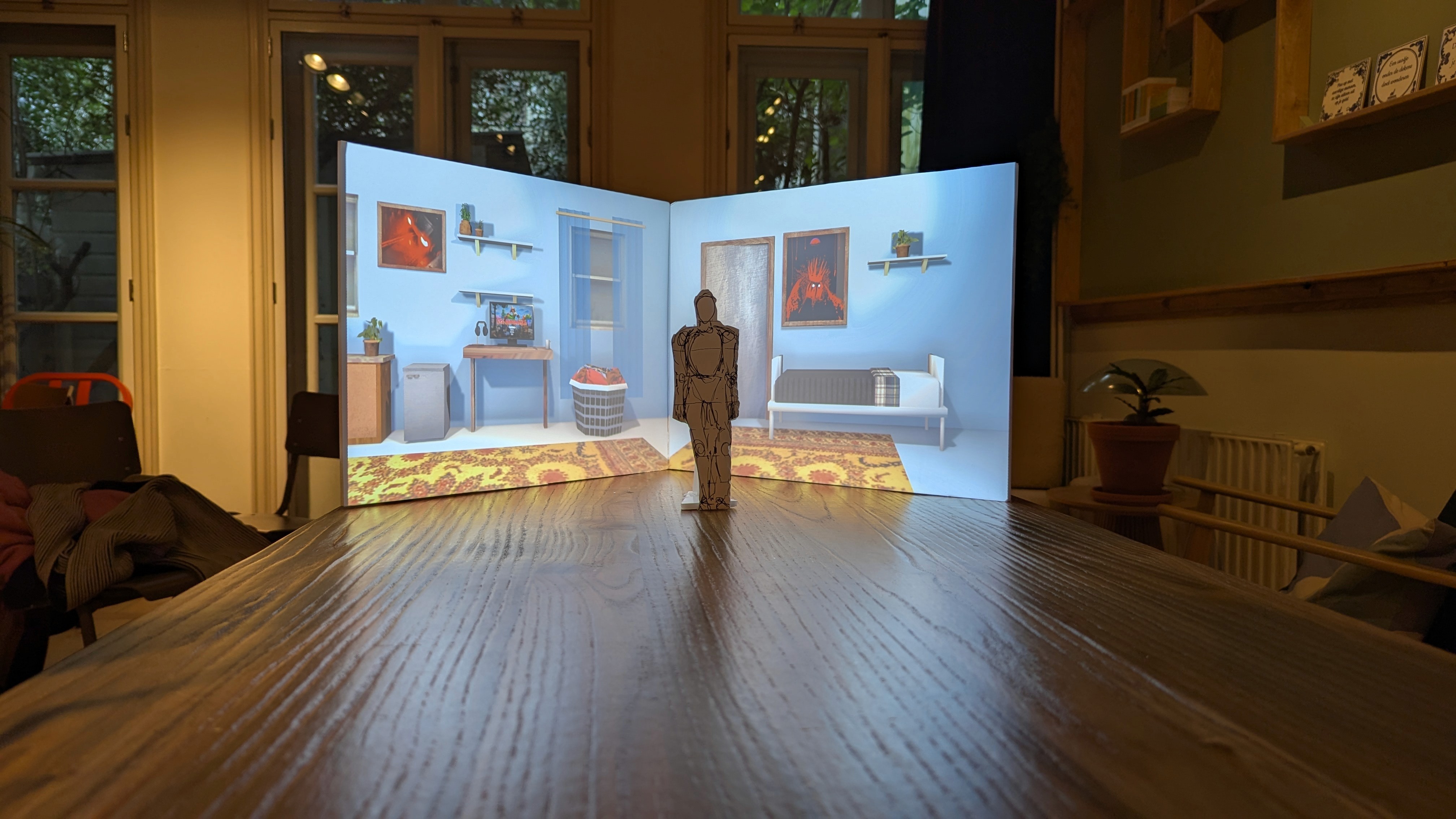
From Paper to Life-Size I worked within a multidisciplinary three-person team consisting of myself, a 3D Environment Artist, and an Industry Expert.
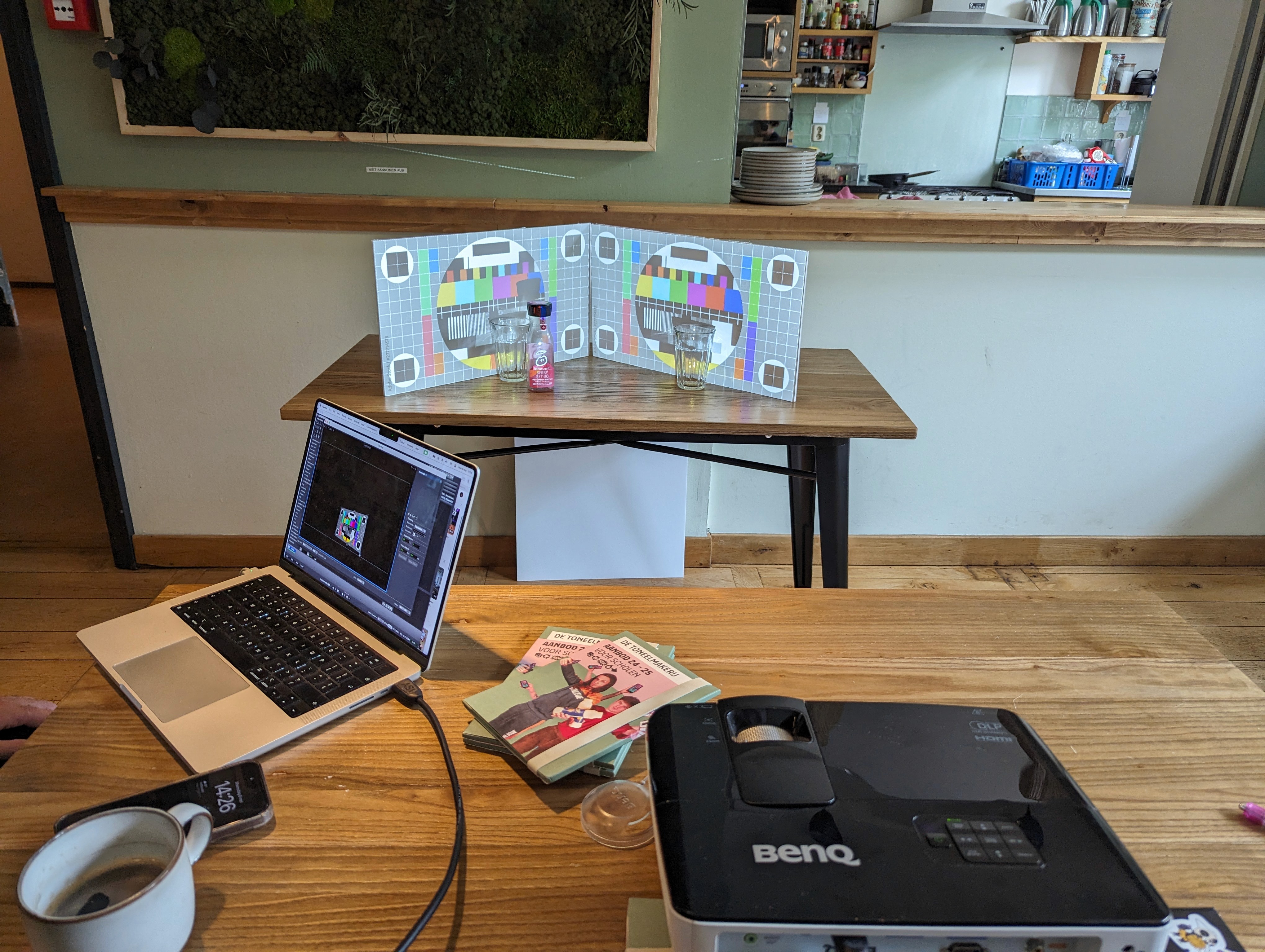
Collaborative Design: We began with shared paper prototypes to map out spatial logic and sightlines before committing to code. The
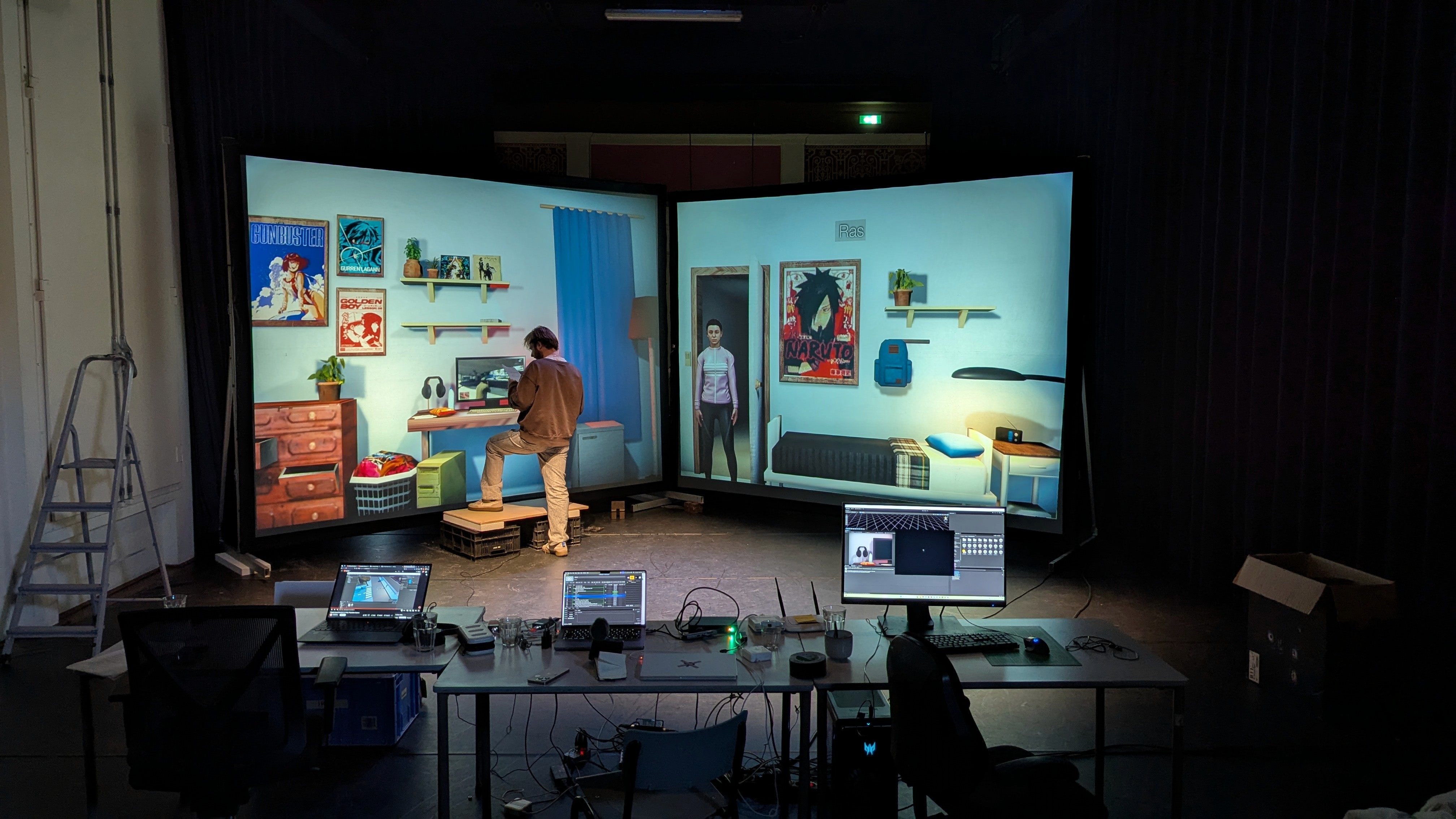
Scale Shift: I managed the transition from a desktop development environment to a life size 2 camera projection system. This required a lot of recalibration in the theatre to ensure the Unity lighting and assets translated perfectly to a massive physical scale.
Result
Working on In Real Life taught me how to adapt my game development principles to a high stakes, live environment where there is no "undo" button.
Designing for Performance: I learned that technical systems are only as good as the people using them. Building tools for directors and actors taught me to prioritize user workflow as much as the end result visuals.
Agile Problem Solving: The fast-paced nature of theatre reinforced my ability to prototype "fast and dirty" to prove a concept, then refine it into a stable, production-ready system.
Cross-Industry Communication: Collaborating with theatre experts helped me translate complex technical jargon into actionable creative decisions, ensuring the whole team stayed aligned from paper to premiere.